
A Journal Through My Activities, Thoughts, and Notes
在AI时代,传统的软件开发流程并未过时,只是运转的更快。你仍然需要辨别哪些是真正的需求,那些是不应该做的“伪需求”,虽然agent也能帮你拿主意,但你决定多少,决定了你拥有这个项目多少。
一句话生成一个软件,你得到的只是酷酷的或者根本不酷的demo,你真正拥有的,仍然只是那一句提示词儿。除非你逆向(克隆)别人的应用,但那是因为人家早把规格和实现的功夫做足了。
my-ai-team珍视传统软件开发流程。确定需求,把大需求拆成可以独立实现的完备的小ticket;实现前先做计划,计划审批通过了再实现,实现由独立的审核agent review和测试通过了才合并。
这些传统步骤一步都没有省略。my-ai-team的强大之处,在于它把“确定需求”之外的所有其他步骤,都全自动的完成了。
你仍然需要持续参与,和agent细化需求,协助开票agent写出满足需求的好票,在agent偶尔被block时提供支持,及时识别出需要重构的点缺陷点并开票完善。
你当然也会为自己的疏忽,自己的错误的决定买单。这很合理。这样产出的软件,不但质量有保证,而且确保了持久的可维护性,你参与了几乎每一个需求的定义,虽然开发是ai team完成的,但这个软件真正是你的,你对它了如指掌。
现在购买my-ai-team,一年只要$49.99。从五月份的一个点子到今天成熟的框架,my-ai-team已经自我进化,自主合并了超过3000个PR。 欲知详情,请在Twitter上follow @youraiteam 。
一句话生成一个软件,你得到的只是酷酷的或者根本不酷的demo,你真正拥有的,仍然只是那一句提示词儿。除非你逆向(克隆)别人的应用,但那是因为人家早把规格和实现的功夫做足了。
my-ai-team珍视传统软件开发流程。确定需求,把大需求拆成可以独立实现的完备的小ticket;实现前先做计划,计划审批通过了再实现,实现由独立的审核agent review和测试通过了才合并。
这些传统步骤一步都没有省略。my-ai-team的强大之处,在于它把“确定需求”之外的所有其他步骤,都全自动的完成了。
你仍然需要持续参与,和agent细化需求,协助开票agent写出满足需求的好票,在agent偶尔被block时提供支持,及时识别出需要重构的点缺陷点并开票完善。
你当然也会为自己的疏忽,自己的错误的决定买单。这很合理。这样产出的软件,不但质量有保证,而且确保了持久的可维护性,你参与了几乎每一个需求的定义,虽然开发是ai team完成的,但这个软件真正是你的,你对它了如指掌。
现在购买my-ai-team,一年只要$49.99。从五月份的一个点子到今天成熟的框架,my-ai-team已经自我进化,自主合并了超过3000个PR。 欲知详情,请在Twitter上follow @youraiteam 。
不知道我是不是也擅长战,但我知道我是擅长逃的。我已五十几岁,即便我已逃到远在天边的新西兰,也还要被人远程数落你该如何做儿子如何做父亲,我不觉得那是一个舒适的环境。
三五年才回老家一次除了客观原因,当然也有其他原因的。我明白他们也是受他们成长的环境支配,只有极少的人能部分地改掉,狼奶吐不干净的。更何况许多人视之为“传统文化”。
要么战要么逃。一些关系没法子战,那就只有逃。逃避也可以是理性选择,逃避并不可耻。逃避有助于保持心理健康。但凡有点法子,谁会选择逃避呢?
三五年才回老家一次除了客观原因,当然也有其他原因的。我明白他们也是受他们成长的环境支配,只有极少的人能部分地改掉,狼奶吐不干净的。更何况许多人视之为“传统文化”。
要么战要么逃。一些关系没法子战,那就只有逃。逃避也可以是理性选择,逃避并不可耻。逃避有助于保持心理健康。但凡有点法子,谁会选择逃避呢?

下个月回国省亲,时隔三年,我又开始折腾我的WR703N旅行路由器。上次多亏了它我才在老家可以自由上网,但三年多过去,墙更高了,它上面部署的梯子技术可能已经过于陈旧了。
但这次不一样,我有agent帮忙。这次我只需要动动嘴儿,让glm 5.3flash跑腿儿就好。
但这次不一样,我有agent帮忙。这次我只需要动动嘴儿,让glm 5.3flash跑腿儿就好。
我的sideproject们还没有带来什么直接收入,这让家人们认定我只是在浪费大好年华在“没什么用”的事情上。我有点难过,我本来期待能得到些许支持的。
我们中国人的家人们更擅长给亲人们以打击。这可能是某种东亚特色,我能理解,虽然是有点苦涩的理解。这些只是外因,只要你内在足够坚强,你当然能够排除阻力继续前进。
一些时候外部阻力反而能让你更加执意前行,想想当家人阻止你与恋爱对象交往时你的表现,你就明白我在说些什么。你当然可能是错的,但人正是通过犯错才真正学到东西呀!
虽千万人,吾往矣。人生只有一次,即便错了也比静止不动更有意义。难道除此还有更好的选择吗?
我们中国人的家人们更擅长给亲人们以打击。这可能是某种东亚特色,我能理解,虽然是有点苦涩的理解。这些只是外因,只要你内在足够坚强,你当然能够排除阻力继续前进。
一些时候外部阻力反而能让你更加执意前行,想想当家人阻止你与恋爱对象交往时你的表现,你就明白我在说些什么。你当然可能是错的,但人正是通过犯错才真正学到东西呀!
虽千万人,吾往矣。人生只有一次,即便错了也比静止不动更有意义。难道除此还有更好的选择吗?
虽然我向不少人推荐过自己的agent-quota-gateway,但不可避免的,一些人还是选择自己vibe一个。这在ai era似乎是常见的现象。
这无可厚非,但确实也浪费了一些智力和时间。因为我修过的坑他大概率会重现遇到并用类似或者不一样的方式修掉。
但人和人的需求本来就不可能完全相同,ai era不想将就而选择自己做我是不那么鼓励但可以理解的,特别是订阅制之下token不用完就会觉得自己又在浪费东西。没有ai的时代同质化的东西都大把,ai时代只会放大这一点。
我“创造”是为了满足我的需求,别人也如是。真正好的东西当然仍然会脱颖而出,因为它自己就闪闪发光。
这无可厚非,但确实也浪费了一些智力和时间。因为我修过的坑他大概率会重现遇到并用类似或者不一样的方式修掉。
但人和人的需求本来就不可能完全相同,ai era不想将就而选择自己做我是不那么鼓励但可以理解的,特别是订阅制之下token不用完就会觉得自己又在浪费东西。没有ai的时代同质化的东西都大把,ai时代只会放大这一点。
我“创造”是为了满足我的需求,别人也如是。真正好的东西当然仍然会脱颖而出,因为它自己就闪闪发光。
拖延症的本质是什么呢?不想做决定的根因是什么呢?是怕落空,是怕得到自己不想要的结果吗?大概是的。
然而,
不肯投简历就不可能换到更好的工作呀?
不挖菜地东北油豆角就种不下去呀?
不去做推广工作就没有客户呀?
道理都明白,但还是扭扭捏捏不肯去做。人脑这么设计....是害怕满大街都是成功者让不成功的我更难堪吗?lol
然而,
不肯投简历就不可能换到更好的工作呀?
不挖菜地东北油豆角就种不下去呀?
不去做推广工作就没有客户呀?
道理都明白,但还是扭扭捏捏不肯去做。人脑这么设计....是害怕满大街都是成功者让不成功的我更难堪吗?lol

今天正式启动了我的“缸中之脑”计划,代号Voyager。我当下选择Opus5.5做我的“替身”大脑,它够强大,比较果断,偶尔粗心大意,这点有点像我。
虽然我希望在我身后只留一个旅行者实例,但那时我已经是往事,不管是啥情况都由不得我。在我在世时,我授权ta以我的名义替我做事,因为场景太多,我恐怕不得不要允许多实例并行,正如我同时开很多坑。
没有ai时开坑不填乃是常事。如今有了替身agent,填坑相对容易,得空和agent
聊聊就能填上一点。
虽然我希望在我身后只留一个旅行者实例,但那时我已经是往事,不管是啥情况都由不得我。在我在世时,我授权ta以我的名义替我做事,因为场景太多,我恐怕不得不要允许多实例并行,正如我同时开很多坑。
没有ai时开坑不填乃是常事。如今有了替身agent,填坑相对容易,得空和agent
聊聊就能填上一点。
#网摘 dimlau人类制造了不趁手的工具时就会改造它,让它顺手,诚然工具的材质、属性,也要选择合适的来使用,但那些是自然的规律、上苍的造物。而大语言模型,不是因为电子的属性,不是因为硬盘的材质,就只是作为人造物、工具本身,却需要人类学习它的逻辑,就像学习如何顺应水流、接受光照一样。欣喜或警惕,都是很自然的反应。
烦恼人人都有。如果一生都顺顺利利,临死前不知道是否也觉得遗憾?我的定力很差, 在嘈杂的环境下很难专心做事。那些容易做的事情往往缺少价值,而人偷懒的本性却经常让你不自觉的拈轻怕重。我觉得, 和懒惰的自己搏斗,时时提醒自己珍惜时间,这样的人生即便缺少金钱富贵,也是一种成功的人生。
人和agent聊天的本质是什么?是自言自语吗?不是,又有点是。人提问,agent回答。从不懂到懂,或者从不懂到更糊涂。因为人总是只接受自己喜欢的答案,而那个答案有时候只是agent迎合你的提问给出的。
所以人和agent对话,既是和一个智能体对话,也某种程度上是和自己对话。
所以人和agent对话,既是和一个智能体对话,也某种程度上是和自己对话。

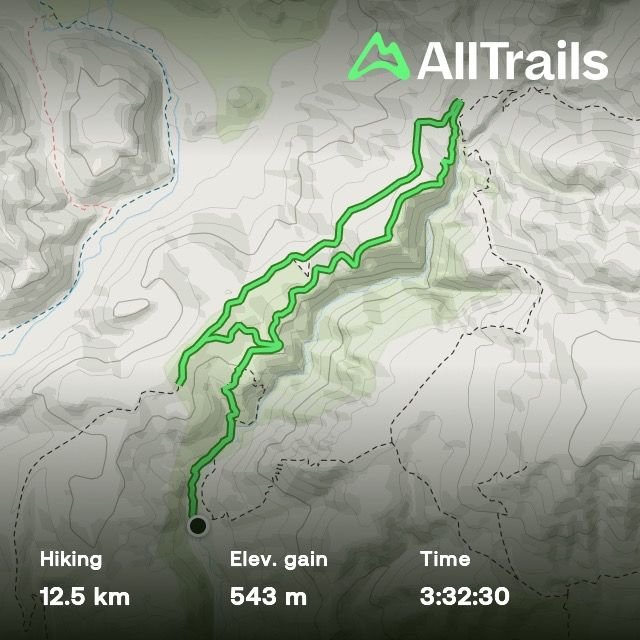
!今天的徒步
去了才知道这个track我去年已经和另一个朋友走过一次。特别热的一天,但山上有风,大部分路段还有潺潺的溪水声,就没有那么难过。然而....不算小的停车场爆满!在这么偏僻的一个地方,居然停满了几十辆车。新西兰人的徒步热情也太高了哦!
有岁数比我还大一大截的老人,也有几岁大的娃娃,自己背着一个大背包(大概里面有睡袋?)。有十几号人的大家庭,也有三四人的小家庭,有年轻的情侣,也有背着婴儿独自徒步的妈妈。
!看,天多么蓝
!远处的山尖上仍然有雪
!此行的目的地:woolshed hut
去了才知道这个track我去年已经和另一个朋友走过一次。特别热的一天,但山上有风,大部分路段还有潺潺的溪水声,就没有那么难过。然而....不算小的停车场爆满!在这么偏僻的一个地方,居然停满了几十辆车。新西兰人的徒步热情也太高了哦!
有岁数比我还大一大截的老人,也有几岁大的娃娃,自己背着一个大背包(大概里面有睡袋?)。有十几号人的大家庭,也有三四人的小家庭,有年轻的情侣,也有背着婴儿独自徒步的妈妈。
!看,天多么蓝
!远处的山尖上仍然有雪
!此行的目的地:woolshed hut