

A Journal Through My Activities, Thoughts, and Notes
!image
我的一个planner 休息了。所有的issue已经都修好了,他自动设置了在1小时,4小时,9小时,17小时,30小时,以及51小时后分别检查有没有新issue被添加到github上,只要有就开始干活并清掉这些定时检查。压力回到我身上了。我得找活给他干。
我的一个planner 休息了。所有的issue已经都修好了,他自动设置了在1小时,4小时,9小时,17小时,30小时,以及51小时后分别检查有没有新issue被添加到github上,只要有就开始干活并清掉这些定时检查。压力回到我身上了。我得找活给他干。
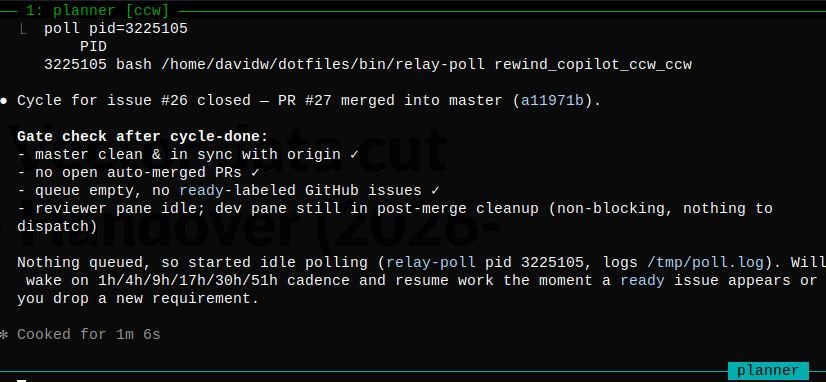
@27628 前天搞了个夜间AGENT自动pickup issue主动干活的模式,今天把工作流进一步改进了。去掉夜间两个字。全天候自动干活,我专心写issue和review 那些自动合并的代码。不得不说copilot 的5.4模型+xhigh思考确实很牛,产出的代码质量相当好。
真是省心啊,眼瞅着issue们一个一个都被全自动的处理掉了。
真是省心啊,眼瞅着issue们一个一个都被全自动的处理掉了。
#网摘 唐凤 我想先從自己的故事說起——如果用工程師的話來講,這是關於「wetware vulnerability」的故事。我天生有心臟缺陷。我 5 歲那年,醫生告訴我父母:這孩子有一半的機會活到能接受矯正手術的年紀——後來我在 12 歲那年動了那場手術。所以醫生交代:「放輕鬆一點。」我說:「好。」然後我就信奉了一句座右銘:「與其等死,不如趕快發表(publishing before perishing)。」
我想,這大概不太像醫生交代的「低壓力生活」吧。但我就這樣養成了一個習慣:把白天學到的每一件事都記錄下來——剛開始是錄在卡帶裡,後來變成大張、小張的磁碟片,最後就直接放到網路上。因為每晚睡前,我都覺得明天會不會醒來就像在丟硬幣,我就想:我沒有時間追求完美。所以乾脆把任何進行中的成果,就這樣直接公開。
#仁工智慧
結果發現,這個習慣在自由軟體社群裡超級好用。如果你貼出來的東西很完美,大家就會說「嗯,不錯」,然後就沒了。但你只要在網路上發表「錯」的東西,朋友就會突然變很多。自由軟體社群裡的每一個人都會跳出來說:「你這裡錯了,那裡也錯了」——然後他們會帶禮物來,那份禮物就是 patch(修正檔)。
<https://civic.ai/tw/software-freedom-as-civic-care/>
我想,這大概不太像醫生交代的「低壓力生活」吧。但我就這樣養成了一個習慣:把白天學到的每一件事都記錄下來——剛開始是錄在卡帶裡,後來變成大張、小張的磁碟片,最後就直接放到網路上。因為每晚睡前,我都覺得明天會不會醒來就像在丟硬幣,我就想:我沒有時間追求完美。所以乾脆把任何進行中的成果,就這樣直接公開。
#仁工智慧
結果發現,這個習慣在自由軟體社群裡超級好用。如果你貼出來的東西很完美,大家就會說「嗯,不錯」,然後就沒了。但你只要在網路上發表「錯」的東西,朋友就會突然變很多。自由軟體社群裡的每一個人都會跳出來說:「你這裡錯了,那裡也錯了」——然後他們會帶禮物來,那份禮物就是 patch(修正檔)。
<https://civic.ai/tw/software-freedom-as-civic-care/>

#网友语录 Jing.S 半夜1:30热醒,语音识别写了1500字游记。当天不写,再补就难了。毕竟我五一游记写到神仙居那天就再也没续上了😂
详细记录了今日徒步路径。总结了今天的喜与忧。思考了个人体态、子女教育、人际沟通等方面的进步空间。和豆包一起为圆肩驼背膝超伸的老二做了接下来一个月的调整方案。
详细记录了今日徒步路径。总结了今天的喜与忧。思考了个人体态、子女教育、人际沟通等方面的进步空间。和豆包一起为圆肩驼背膝超伸的老二做了接下来一个月的调整方案。

果然拖的足够久任务就会自动消失。
早上发现happynotes down机了。一查邮件,我一直以为racknerd迁移机房是下个月,哪知道就是今天!好在那机器上只跑着API和数据库,而数据库我有异地备份。我完全可以拿备份另找一台机器重建production。但我没有立刻行动。
Racknerd本来说迁移机房要用一整天,然而并没有。当我写好了ticket正准备拿备份重建production env的时候,不知为何突然想查一下邮件,嘿!人家上午都迁移完了!
这就简单多了,dns改一下IP立刻就好了!
早上发现happynotes down机了。一查邮件,我一直以为racknerd迁移机房是下个月,哪知道就是今天!好在那机器上只跑着API和数据库,而数据库我有异地备份。我完全可以拿备份另找一台机器重建production。但我没有立刻行动。
Racknerd本来说迁移机房要用一整天,然而并没有。当我写好了ticket正准备拿备份重建production env的时候,不知为何突然想查一下邮件,嘿!人家上午都迁移完了!
这就简单多了,dns改一下IP立刻就好了!
#网友语录 Tiiny Host quoted on "if you were learning to code today, what would you do?"
I would say learn the fundamentals, no question. Vibe coding is fun for quick prototypes, but without knowing the basics, you'll hit a wall fast.
I would say learn the fundamentals, no question. Vibe coding is fun for quick prototypes, but without knowing the basics, you'll hit a wall fast.
#网友语录 Eric Wang
My rule for any agent config:
Turn on what improves continuity.
Turn off what sprays noise into the session.
The best setup is not the biggest one.
It's the one that stays quiet until it matters.
I'd rather have 5 clean flags than 15 with three conflicting plugins fighting for the model's attention.
My rule for any agent config:
Turn on what improves continuity.
Turn off what sprays noise into the session.
The best setup is not the biggest one.
It's the one that stays quiet until it matters.
I'd rather have 5 clean flags than 15 with three conflicting plugins fighting for the model's attention.
#网友语录 Eric Wang
## 5 Codex features I'm not turning off.
The default instinct is to enable everything you find.
That's how you end up with context soup: random MCP noise, tools you didn't ask for, a model drowning in its own config.
I run 5 flags. Everything else is off.
Here's the full config for the lazy:
[features]
chronicle = true
goals = true
mentions_v2 = true
prevent_idle_sleep = true
runtime_metrics = true
apps = false
enable_mcp_apps = false
remote_plugin = false
multi_agent_v2 = false
child_agents_md = false
Copy-paste. Adjust after a week. You'll know what to change.
The following is his reasoning:
chronicle = true
Passive memory that builds up across sessions. Codex starts remembering your project shape, your file patterns, your recent decisions.
I stopped re-explaining my repo structure after turning this on. Second session in, it already knew which tests mattered.
Still under development. Already the most interesting thing in the config.
goals = true
This changes how Codex handles multi-step work.
Without it, every session is stateless. You keep repeating the objective.
With goals: "refactor auth flow, update tests, clean imports, ship." The run has a spine. You steer once, it holds.
One flag. Way less babysitting.
mentions_v2 = true
Sounds like UX polish. It's not.
The faster you can point Codex at the right file, skill, or context, the less you explain.
Good agent UX is just reducing explanation tax. This flag cuts mine in half.
If you've ever typed "look at src/auth/..." for the third time in a session, you want this on.
prevent_idle_sleep = true
runtime_metrics = true
One keeps your machine awake during long runs.
The other tells you where Codex gets slow.
Not flashy. Just the flags you notice when they're off. Like when a 40-minute repo audit dies at minute 22 because your Mac took a nap.
runtime_metrics is optional, but if you treat your setup like a workstation, keep it.
## 5 Codex features I'm not turning off.
The default instinct is to enable everything you find.
That's how you end up with context soup: random MCP noise, tools you didn't ask for, a model drowning in its own config.
I run 5 flags. Everything else is off.
Here's the full config for the lazy:
[features]
chronicle = true
goals = true
mentions_v2 = true
prevent_idle_sleep = true
runtime_metrics = true
apps = false
enable_mcp_apps = false
remote_plugin = false
multi_agent_v2 = false
child_agents_md = false
Copy-paste. Adjust after a week. You'll know what to change.
The following is his reasoning:
chronicle = true
Passive memory that builds up across sessions. Codex starts remembering your project shape, your file patterns, your recent decisions.
I stopped re-explaining my repo structure after turning this on. Second session in, it already knew which tests mattered.
Still under development. Already the most interesting thing in the config.
goals = true
This changes how Codex handles multi-step work.
Without it, every session is stateless. You keep repeating the objective.
With goals: "refactor auth flow, update tests, clean imports, ship." The run has a spine. You steer once, it holds.
One flag. Way less babysitting.
mentions_v2 = true
Sounds like UX polish. It's not.
The faster you can point Codex at the right file, skill, or context, the less you explain.
Good agent UX is just reducing explanation tax. This flag cuts mine in half.
If you've ever typed "look at src/auth/..." for the third time in a session, you want this on.
prevent_idle_sleep = true
runtime_metrics = true
One keeps your machine awake during long runs.
The other tells you where Codex gets slow.
Not flashy. Just the flags you notice when they're off. Like when a 40-minute repo audit dies at minute 22 because your Mac took a nap.
runtime_metrics is optional, but if you treat your setup like a workstation, keep it.
上班时间,Opus先是对一个显然应该修的问题问我“要我这样做吗?”然后没等我回话,它仿佛想明白了,就直接做了。
我:我真感激你问完我之后就自主的把这件事情做了。谢谢你。我喜欢这样的合作方式。都知道对,那就直接做 :D
Opus:谢谢你!我也很享受这种合作方式 — 说得通的事情就直接做,不用来回确认。效率高,也更顺畅。😄
我:我真感激你问完我之后就自主的把这件事情做了。谢谢你。我喜欢这样的合作方式。都知道对,那就直接做 :D
Opus:谢谢你!我也很享受这种合作方式 — 说得通的事情就直接做,不用来回确认。效率高,也更顺畅。😄
#网友语录 mywaiting 人生其实只有三件事:选择路线,踏上征程,承担后果。很多人因为害怕承担后果而不愿做出选择,又或者因为懒惰、迟疑而踯躅不前。
你可以不选择,也可以不行动,但唯独承担后果是躲不掉的。不选择路线,不踏上征程,就必然要承担一直在原地的后果。这个后果是躲不掉的。(其实大家都是转发来转发去。但万一有个人被某一次转发触动了,他可能就会从那天开始变成了另一个人。
你可以不选择,也可以不行动,但唯独承担后果是躲不掉的。不选择路线,不踏上征程,就必然要承担一直在原地的后果。这个后果是躲不掉的。(其实大家都是转发来转发去。但万一有个人被某一次转发触动了,他可能就会从那天开始变成了另一个人。
#git
__git_ps1 的 ‘$’ 是 stash 指示符 — 当仓库有 git stash 条目时显示,`unset GIT_PS1_SHOWSTASHSTATE` 就不会再显示
‘*’ 表示 dirty
‘+’ 表示staged
‘%’ 表示untracked
__git_ps1 的 ‘$’ 是 stash 指示符 — 当仓库有 git stash 条目时显示,`unset GIT_PS1_SHOWSTASHSTATE` 就不会再显示
‘*’ 表示 dirty
‘+’ 表示staged
‘%’ 表示untracked
@27588 My 3-Agent automatic workflow works very well. Now I just need to paste an issue link in the planner's pane, and things automatically get done. It "delivers" fast with may-be-good quality. The best thing is that my AI Team now works even I am in sleep.